Białowieża Forest – a unique centre for fungal research
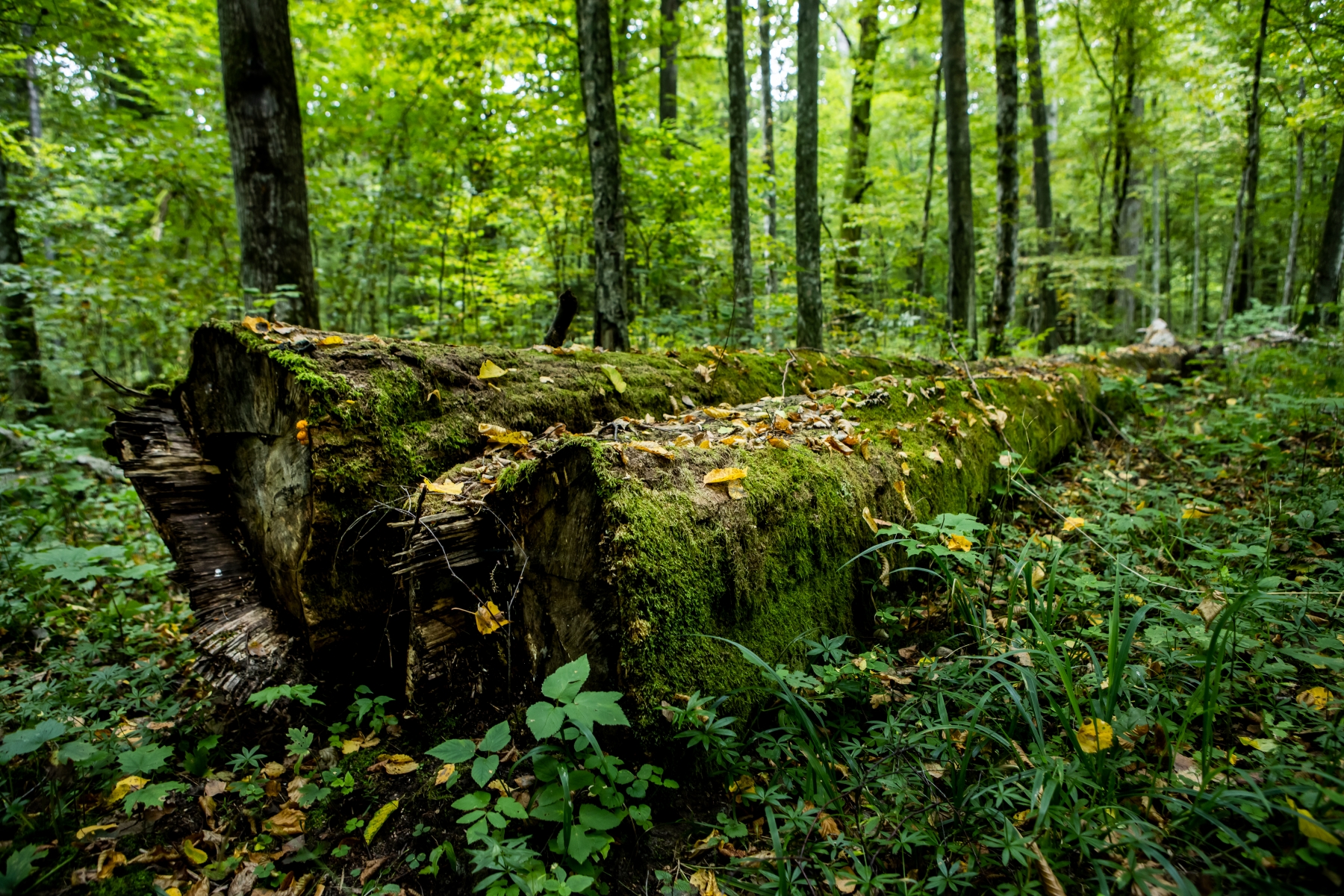
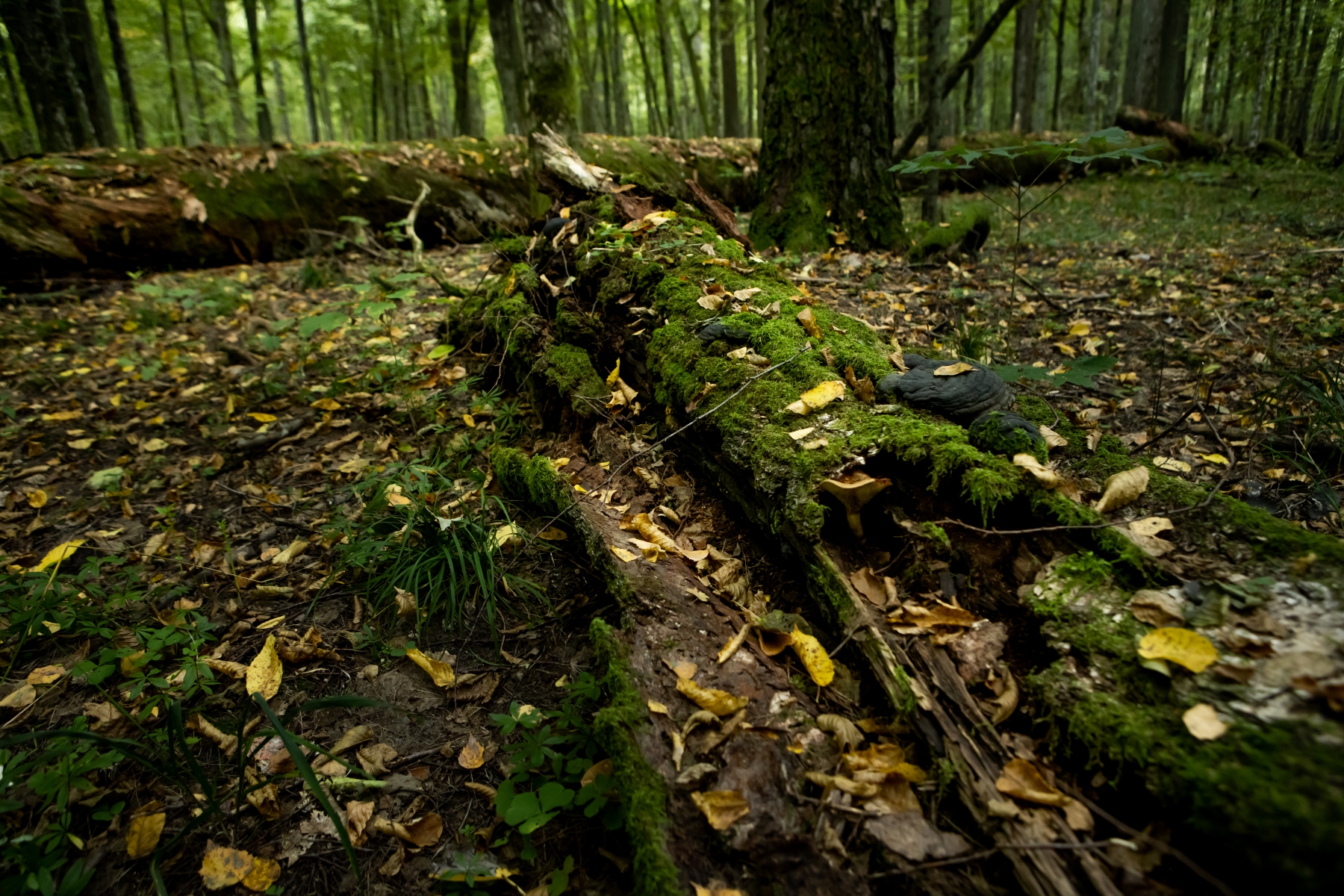
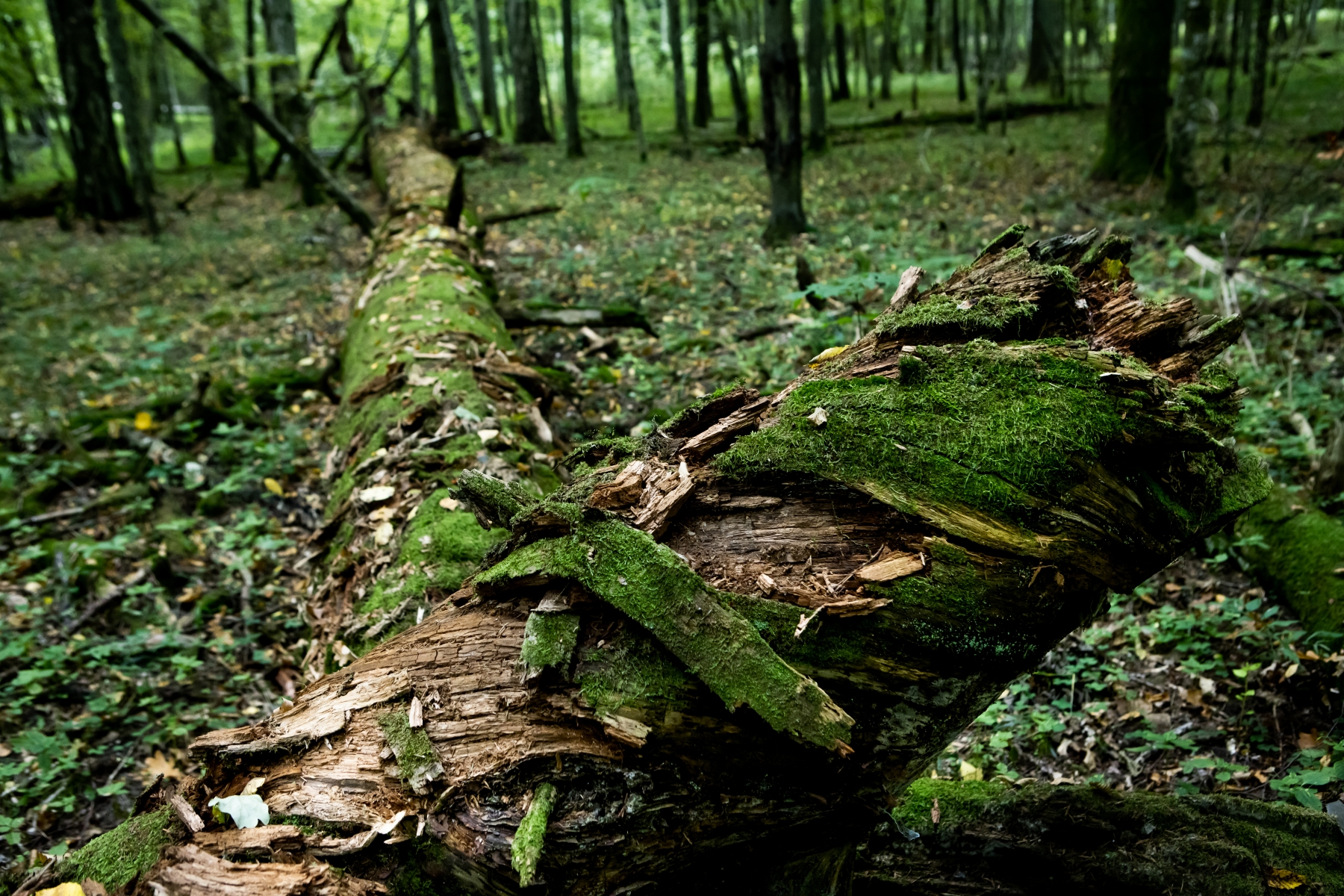
The Białowieża Forest is one of Europe’s most valuable natural areas – a place where natural forest ecosystems, untouched by humans, still exist. The richness of habitats, biodiversity and the exceptional degree of preservation of primary ecological processes make it an extremely valuable area for scientific research, particularly in the field of mycology.
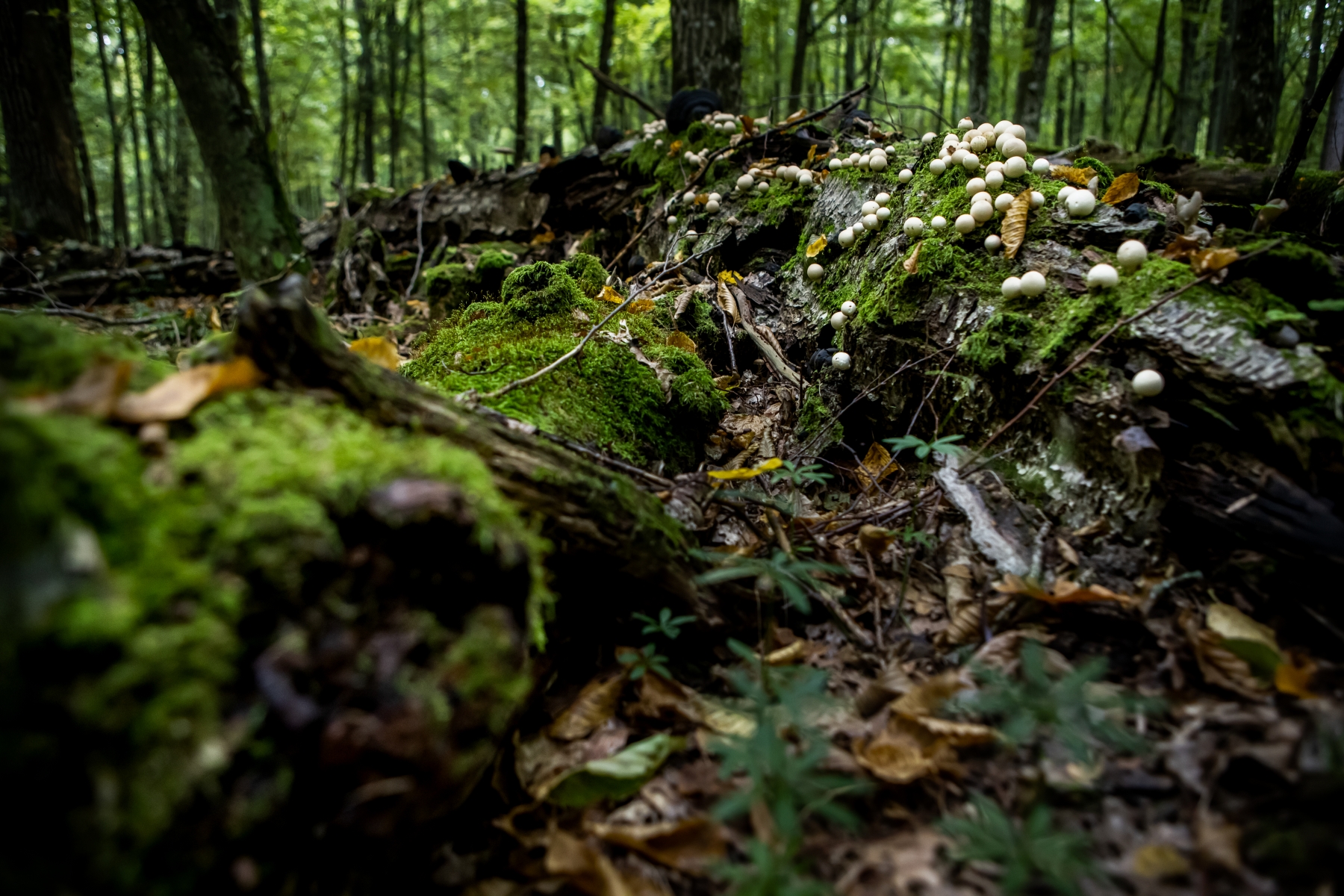
The forest is distinguished by its unprecedented diversity of mycobiota – microscopic and macrofungi – which is the result of the presence of diverse phytocenoses and the continuous presence of dead wood in various stages of decomposition. Dead wood is a key microhabitat for many saprotrophic species, whose presence reflects the naturalness and health of forest ecosystems.
Key facts
To date, approximately 100,000 species of fungi have been described, with estimates of global species richness ranging from 0.5 to 10 million1.
By 2010, approximately 3,400 species of fungi had been identified in the Białowieża Forest, including approximately 1,700 species of large fruiting fungi (Macromycetes).
Almost 200 species have not yet been recorded elsewhere in Poland, and some of them have not been described anywhere else in Europe.
Over 700 species of fungi considered particularly valuable and in need of protection have been identified in the Białowieża National Park.
It is estimated that 25% of European macrofungal taxa occur in this region.
The Białowieża Forest is also one of the most important habitats for polypore fungi (hub), of which over 200 species had been confirmed here by 2014. Such a rich and representative set of species does not occur anywhere else in Poland2,3,4.
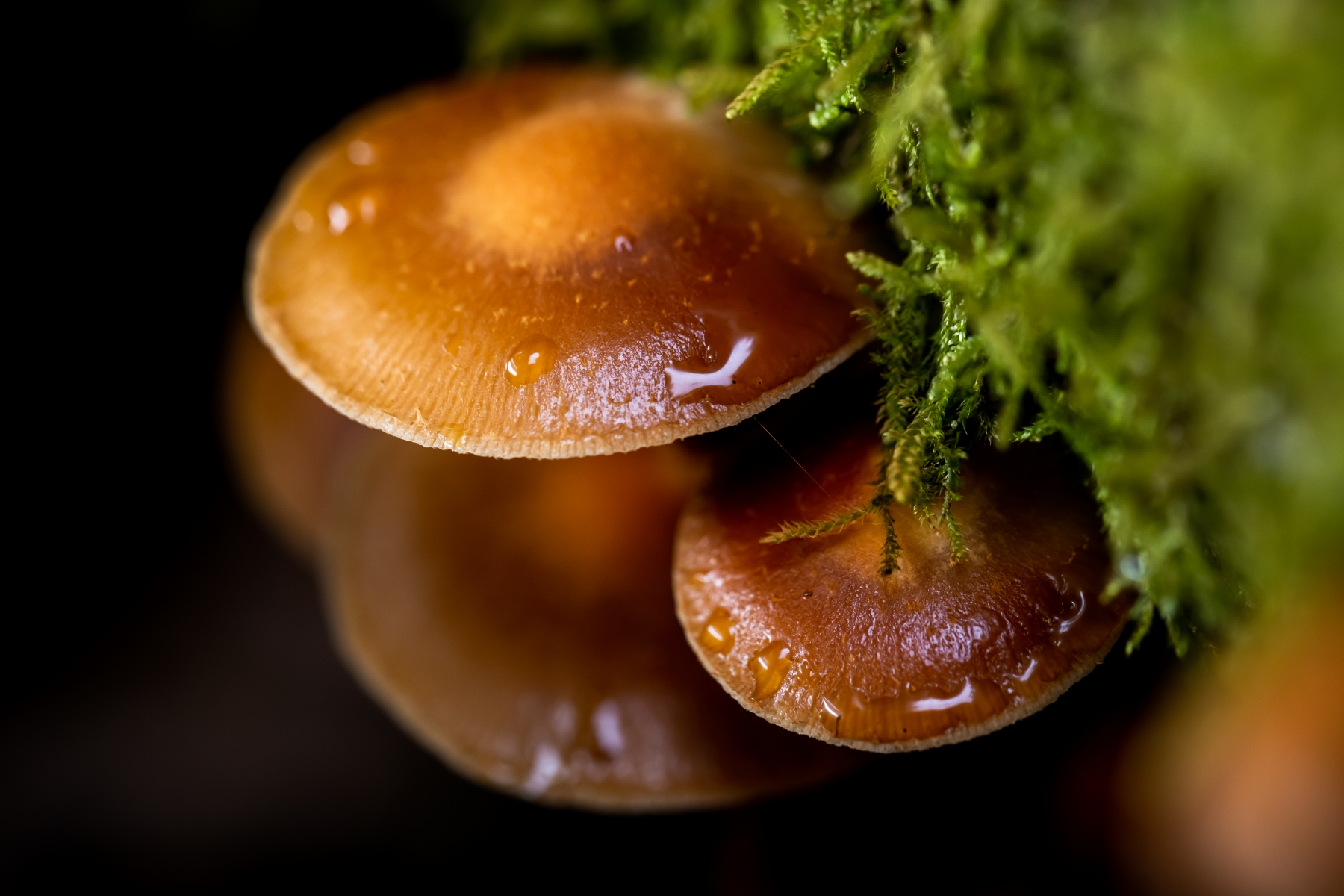
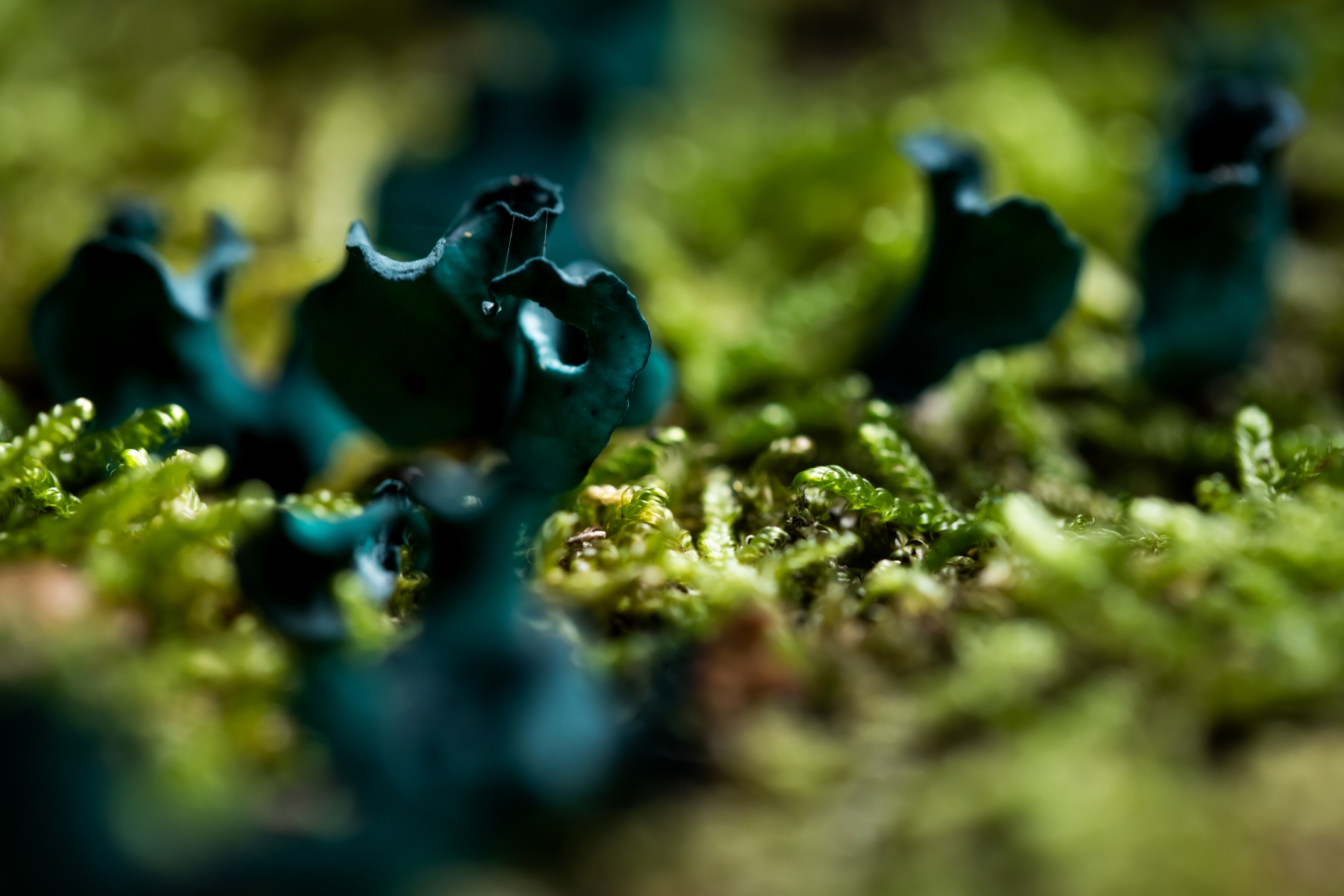
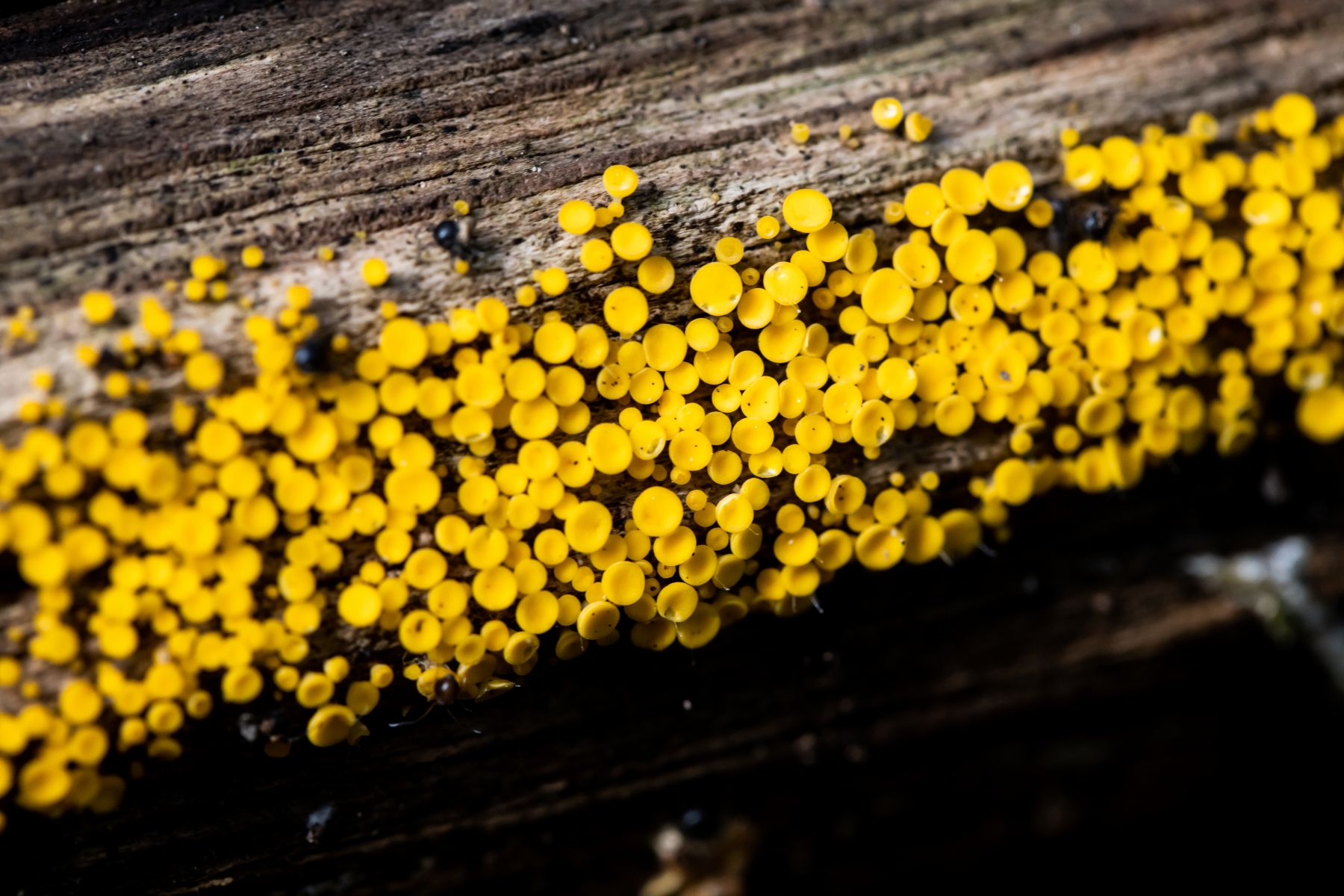
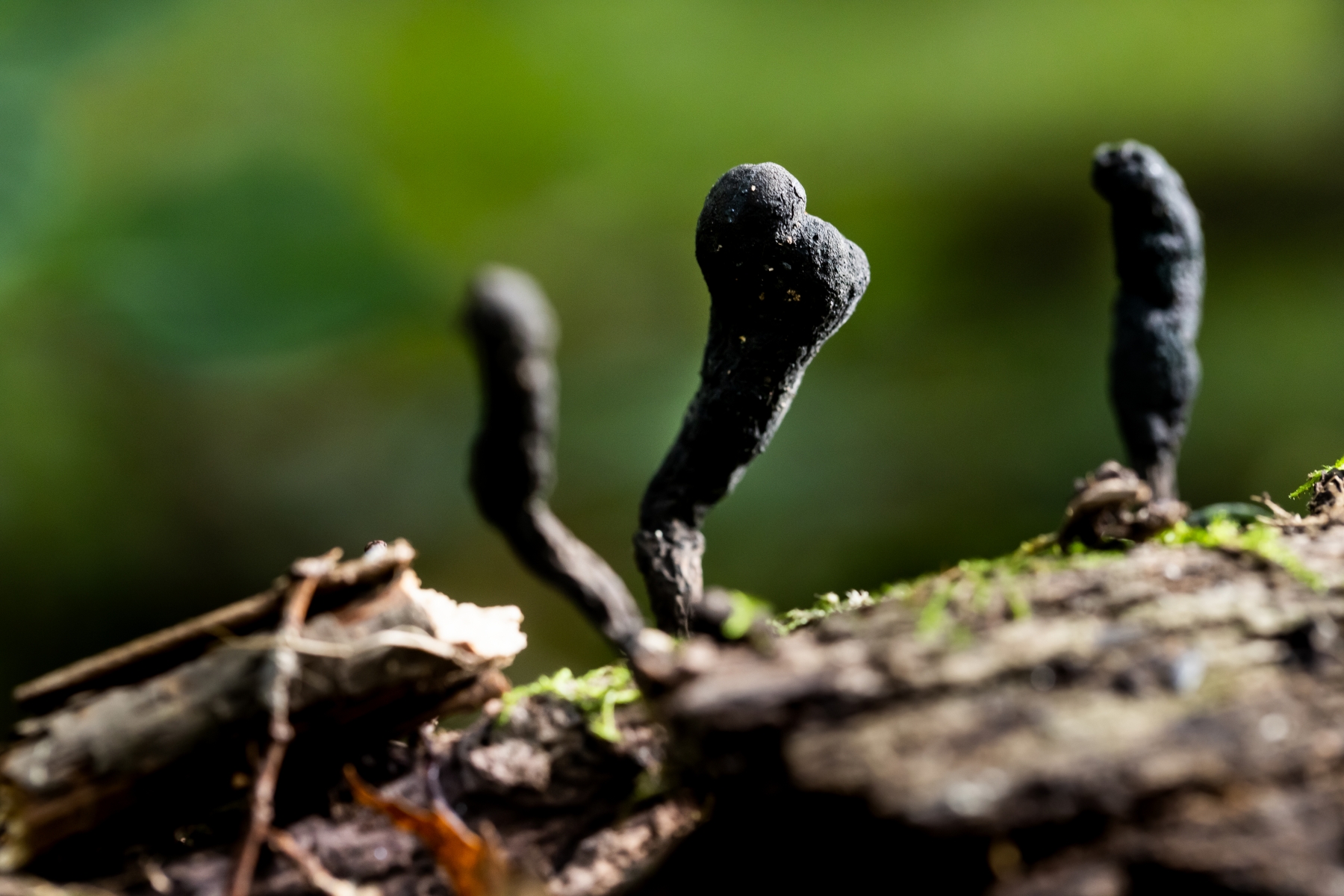
Why do we study fungi here?
The natural character of the Forest, minimal human interference, and the mosaic arrangement of habitats create unique conditions for:
- documenting rare and new species of fungi,
- studying the ecological functions of fungi in natural forests,
- monitoring the impact of climate change on mycobiotic diversity,
- conducting long-term observations of fungal populations in their natural environment.
Science for conservation
Our research is not only of cognitive value, but also of practical value – it helps to protect the most valuable components of nature, develop strategies for the conservation of habitats and species, and support activities related to the protection of the Białowieża Forest as a natural heritage site of Europe.
1Ordynets, A., Heilmann-Clausen, J., Savchenko, A., Baessler, C., Volobuev, S., Akulov, O., Karadelev, M., Kotiranta, H., Saitta, A., Langer, E., & Abrego, N. (2018) Do plant-based biogeographical regions shape aphyllophoroid fungal communities in Europe? Journal of Biogeography, 45(5), 1182-1195. https://doi.org/10.1111/jbi.13203
2 Karasiński D. 2014. Rarities from the forest Białowieża. Białowieża National Park, Białowieża.
3 Karasiński D., Wołkowycki M. 2015. An annotated and illustrated catalogue of Polypores (Agaricomycetes) of the Białowieża Forest (NE Poland). Polish Botanical Journal 60(2): 217–292. DOI 10.1515/pbj-2015-0034.
4 Karasiński D., Kujawa A., Szczepkowski A., Wołkowycki M. 2010. Białowieża National Park Conservation Plan. Report on protection of species of fungi. Białowieża. In: Plan ochrony białowiego parku narodowego na Lata 2011-2030.